Have you ever wondered what exactly “green energy” means? Green energy refers to the energy sources and practices that have minimal negative impact on the environment. It includes renewable resources like wind, solar, and hydro power, as well as energy-efficient technologies and practices. In this article, we’ll explore the concept of green energy and how it is shaping our future, providing you with a better understanding of this exciting and sustainable field. So, let’s get started!

Overview
Green energy refers to the energy that is generated from renewable sources and has a minimal negative impact on the environment. It is a crucial aspect of sustainable development and plays a significant role in reducing greenhouse gas emissions, combating climate change, and promoting a cleaner and healthier environment for future generations. In this article, we will explore the definition of green energy, its importance, various types of green energy sources, advantages, challenges, government initiatives and policies, its impact on climate change, its applications in transportation, innovations in green energy, current adoption and growth, and the future outlook. We will also discuss the importance of transitioning to green energy, individual roles and responsibilities, and the transformative potential of green energy in revolutionizing the energy landscape.
Definition of Green Energy
Green energy, also known as renewable energy, refers to energy generated from natural resources that can be replenished and do not harm the environment. Unlike fossil fuels, which release harmful greenhouse gas emissions, green energy sources such as sunlight, wind, water, biomass, and geothermal heat produce clean energy that is sustainable and helps reduce carbon footprint. The key characteristic of green energy is its ability to harness natural resources without depleting them, making it a smart and responsible choice for meeting our energy needs while protecting the planet.

Importance of Green Energy
The importance of green energy cannot be overstated. As our global energy demand continues to rise rapidly, we must shift towards renewable sources to reduce our dependence on finite fossil fuels, minimize environmental damage, and mitigate the adverse effects of climate change. Green energy offers a sustainable alternative, enabling us to meet our energy needs without compromising the well-being of future generations. It promotes energy security, diversification, and resilience, reduces air and water pollution, creates new job opportunities, and fosters technological innovation, all while reducing our carbon footprint and advancing global efforts to combat climate change.
Types of Green Energy Sources
Solar Energy
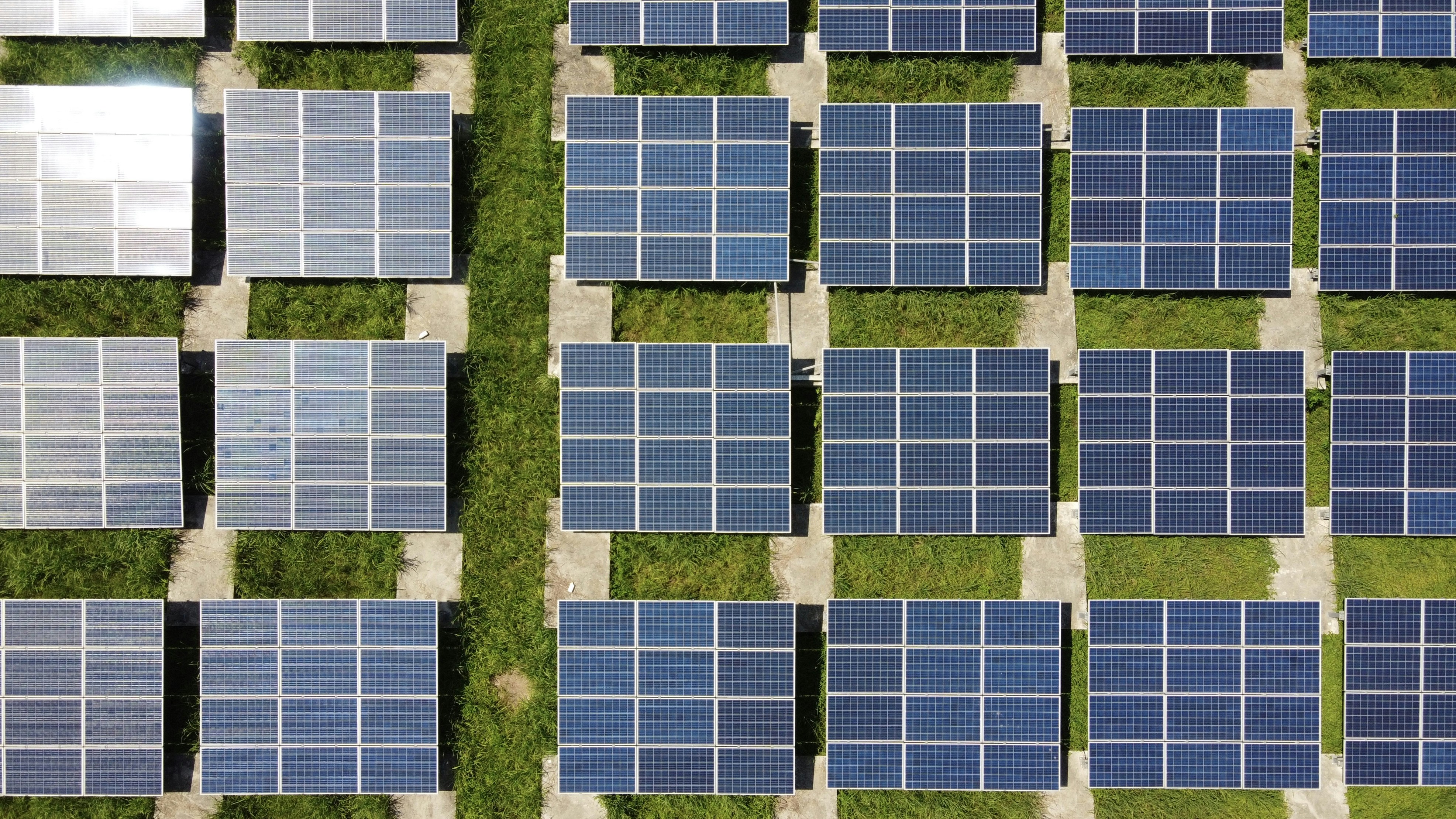
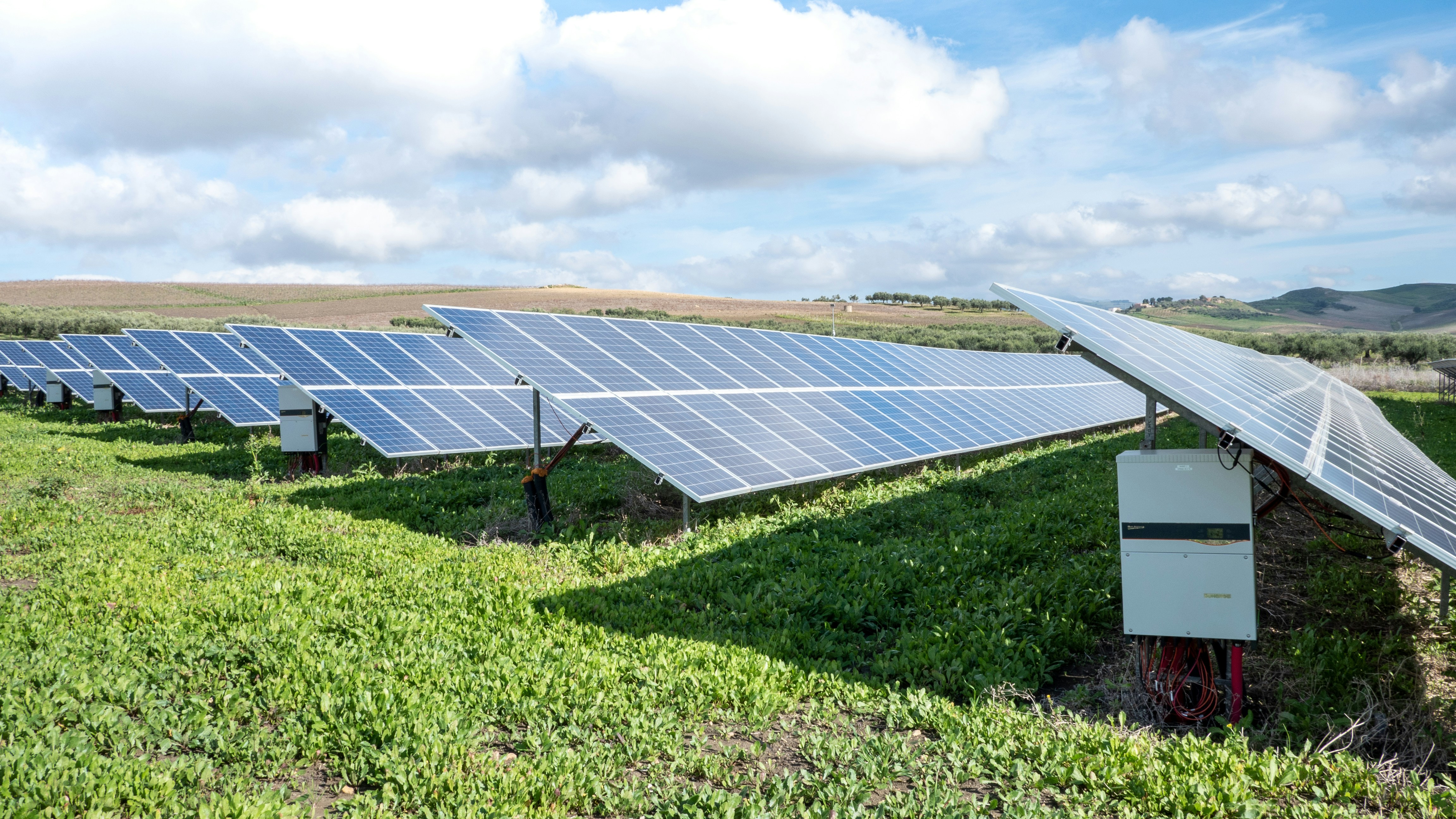
Solar energy is a powerful and abundant renewable energy source that harnesses the sun’s rays to generate electricity or heat. Solar panels, also known as photovoltaic (PV) cells, convert sunlight into electricity, while solar thermal systems utilize the sun’s heat to heat water or generate steam. Solar energy is clean, universally available, and can be deployed on a small or large scale, making it a versatile solution for residential, commercial, and industrial applications.
Wind Energy
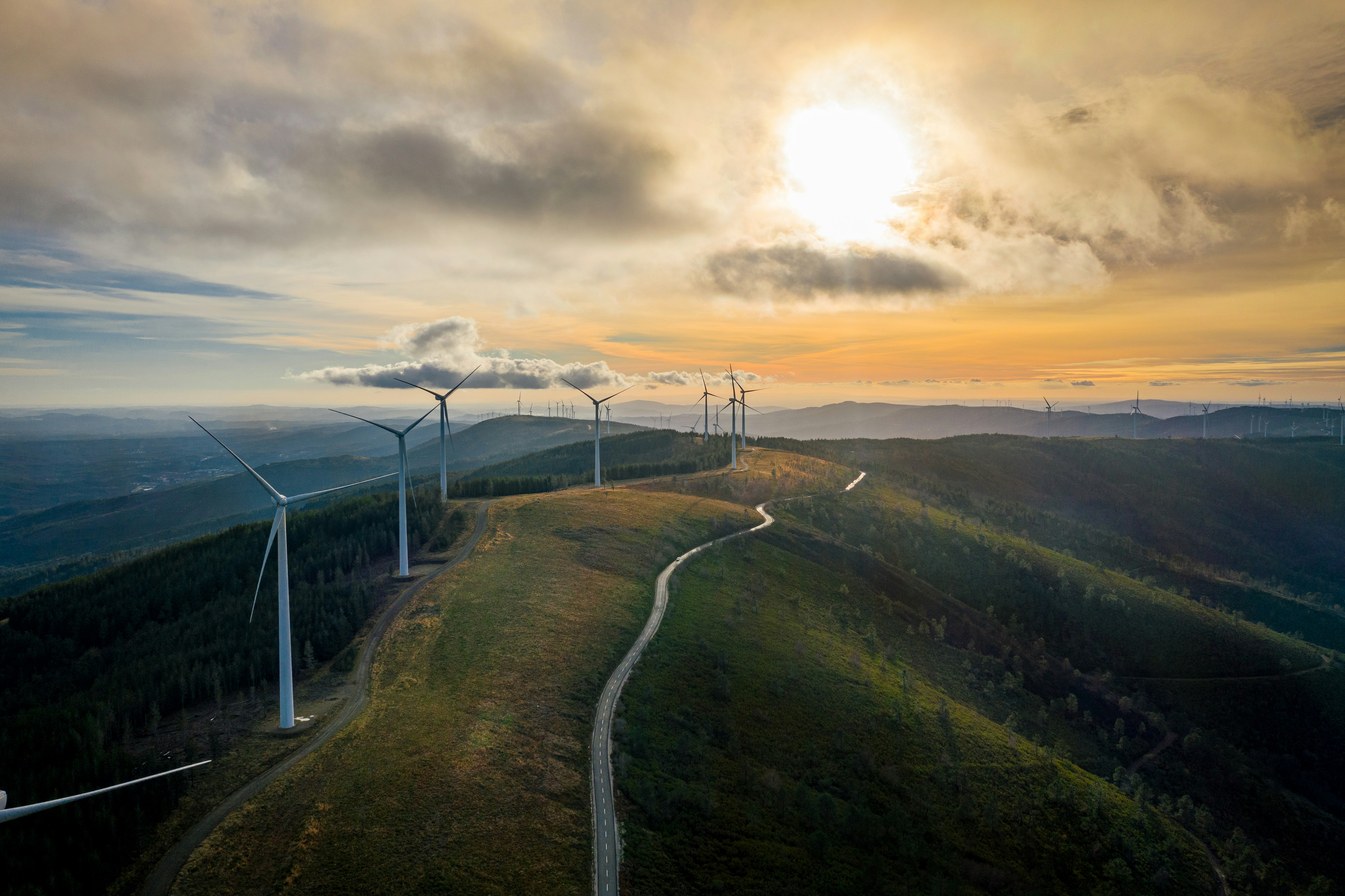
Wind energy utilizes the power of the wind to produce electricity through wind turbines. As the wind blows, it turns the blades of the turbine, which then generate mechanical energy that is converted into electrical energy. Wind farms, comprised of multiple turbines, can be established on land or offshore, where wind speeds are generally higher and more consistent. Wind energy is a reliable and scalable source of power, making it one of the fastest-growing renewable energy sectors globally.
Hydropower
Hydropower harnesses the energy of flowing or falling water to generate electricity. It involves the use of dams, reservoirs, and turbines to convert the kinetic energy of water into electrical energy. Hydropower is a mature and widely utilized form of green energy, providing a constant and predictable source of electricity. Large-scale hydroelectric plants can generate massive amounts of power, while smaller-scale systems can be implemented in rivers or streams to meet localized energy needs.
Biomass Energy
Biomass energy utilizes organic materials such as wood, agricultural residues, and dedicated energy crops, among others, to produce heat, electricity, or transport fuels. Biomass can be burned directly or converted into biogas, biofuels, or biochar. Biomass energy is carbon-neutral, as the carbon dioxide emitted during combustion is offset by the carbon dioxide absorbed during the growth of the organic materials. It provides a sustainable way to utilize agricultural and forestry waste, reducing greenhouse gas emissions and contributing to waste management.
Geothermal Energy
Geothermal energy taps into the heat stored beneath the Earth’s surface to generate electricity or provide heating and cooling. Deep underground, hot water and steam can be accessed through wells, and the heat is converted into mechanical or electrical energy. Geothermal power plants can operate around the clock, offering a reliable and baseload source of renewable energy. Geothermal energy is abundant and widely available, with the potential to provide a significant portion of our energy needs while minimizing greenhouse gas emissions.
Advantages of Green Energy
Renewable and Sustainable
One of the most significant advantages of green energy sources is their renewable and sustainable nature. Unlike fossil fuels, which take millions of years to form and are finite resources, green energy sources such as sunlight, wind, water, biomass, and geothermal heat are naturally replenished and will not run out in our lifetime. By tapping into these renewable sources, we can ensure a long-term and reliable energy supply while preserving precious natural resources for future generations.
Reduces Environmental Impact
Green energy has a significantly lower environmental impact compared to fossil fuels. While burning fossil fuels releases harmful greenhouse gases, contributing to global warming and climate change, green energy sources produce little to no greenhouse gas emissions during their operation. By reducing our reliance on fossil fuels and transitioning to clean energy, we can mitigate the adverse environmental effects of conventional energy production, improve air and water quality, and protect delicate ecosystems from pollution and degradation.
Job Creation
The transition to green energy presents significant employment opportunities across various sectors. The development, installation, operation, and maintenance of renewable energy infrastructure require a diverse range of skilled workers, from engineers and technicians to project managers and researchers. By investing in green energy, governments and businesses can stimulate job growth, revitalize local economies, and create a sustainable workforce for the future. Green energy jobs not only contribute to economic prosperity but also promote social equity and help build a greener and more inclusive society.
Energy Security
Green energy plays a vital role in ensuring energy security, reducing dependency on fossil fuel imports, and diversifying energy sources. Unlike fossil fuels, which often require international transportation and are susceptible to price volatility and geopolitical tensions, green energy sources are typically domestically available and decentralized. By harnessing our abundant renewable resources, we can reduce our vulnerability to supply disruptions, stabilize energy prices, and enhance our national energy independence.
Cost-effectiveness
As technology advances and economies of scale are realized, the cost of green energy has become increasingly competitive with conventional sources. While the initial investment in renewable energy infrastructure may be higher, the long-term operational costs, including fuel and maintenance, are significantly lower for clean energy systems. Moreover, the decreasing costs of renewable energy technologies, such as solar panels and wind turbines, coupled with various financial incentives and policy measures, have made green energy a cost-effective solution for both individuals and businesses. The transition to green energy can lead to energy savings, reduce energy bills, and create economic opportunities through innovation and energy-efficient practices.
Challenges in Green Energy
Intermittency
One of the main challenges of green energy sources like solar and wind is intermittency. Unlike fossil fuel power plants, which can operate continuously and produce electricity on demand, solar and wind energy generation fluctuates with natural conditions. The sun does not shine 24/7, and the wind does not blow consistently. This intermittency poses challenges for grid integration and requires careful management and energy storage solutions to ensure a constant and reliable power supply. However, advancements in energy storage technologies, such as batteries and pumped hydro storage, are alleviating some of these challenges.
Dependence on Natural Conditions
The production of green energy is highly dependent on natural conditions such as sunlight, wind speed, and water availability. While renewable energy sources are abundant, their availability varies geographically and seasonally. For example, regions with high solar potential may experience significant variations in sunlight due to cloud cover or shorter daylight hours during winter. Similarly, wind speeds may be inconsistent in certain areas. To overcome this challenge, a diversified and interconnected energy system that combines multiple renewable sources, as well as backup generation and energy storage, is necessary.
Initial High Costs
While the long-term operational costs of green energy systems are generally lower, the initial capital investment can be higher compared to traditional energy sources. The costs of renewable energy technologies, such as solar panels or wind turbines, have been steadily decreasing, but they still require significant upfront investment. This can be a barrier to entry for individuals and businesses, especially in developing countries or for those with limited financial resources. However, various financial incentives, government subsidies, and innovative financing models are being implemented to make green energy more accessible and affordable for everyone.
Infrastructure Development
The widespread adoption of green energy requires extensive infrastructure development, including the construction of renewable energy power plants, transmission and distribution networks, and energy storage facilities. Developing the necessary infrastructure can be a complex and time-consuming process, involving permitting, land acquisition, and regulatory approvals. Moreover, connecting renewable energy sources to the existing grid infrastructure requires grid modernization and expansion, which can be challenging in terms of planning, financing, and ensuring compatibility with the existing system. However, investing in green energy infrastructure is critical for long-term sustainability and resilience.
Lack of Awareness and Education
Despite the growing awareness of climate change and the need for sustainable energy solutions, there is still a significant lack of awareness and education regarding green energy among the general public. Many people are unaware of the various types of green energy sources, their benefits, and how they can contribute to the transition to a cleaner energy future. Education and information campaigns are essential to promote energy literacy and encourage individuals to make informed choices about their energy consumption. By raising awareness and providing access to reliable information, we can empower individuals to embrace green energy and drive positive change in their communities.
Government Initiatives and Policies
Renewable Portfolio Standards (RPS)
Renewable Portfolio Standards (RPS), also known as Renewable Energy Standards (RES), are legislative mandates that require a certain percentage of electricity generation to come from renewable sources. These standards vary by jurisdiction and are typically implemented at the state or national level. RPS policies provide market certainty and incentivize the development of green energy projects by guaranteeing a demand for renewable energy. They encourage competition, investment, and innovation in the renewable energy sector, leading to increased renewable energy generation and reduced greenhouse gas emissions.
Feed-in Tariffs
Feed-in tariffs (FIT) are policy mechanisms that set a fixed price for the electricity generated from renewable sources. Producers of renewable energy are guaranteed a long-term contract and a premium price for the electricity they feed into the grid. FIT schemes are designed to provide financial incentives to renewable energy generators and reduce the barriers to entry for small-scale producers. By offering a stable and attractive return on investment, feed-in tariffs stimulate the development of green energy projects and promote renewable energy generation across various scales.
Tax Incentives
Tax incentives play a crucial role in promoting green energy adoption by providing financial benefits to individuals and businesses that invest in renewable energy systems. These incentives can take the form of tax credits, rebates, or deductions and are designed to offset the upfront costs of renewable energy technologies. By reducing the financial burden and improving cost-effectiveness, tax incentives encourage the adoption of green energy solutions and stimulate economic growth in the green energy sector. They also contribute to job creation, technology advancement, and the overall transition to a low-carbon economy.
Grants and Loans
Government grants and loans are crucial tools for supporting green energy projects, particularly in the early stages of development. Grants provide non-repayable funding to individuals, businesses, and organizations to support research, development, and implementation of innovative green energy solutions. Loans, on the other hand, offer low-interest financing options to help cover the upfront costs of green energy infrastructure deployment. By providing financial support, grants, and loans accelerate the deployment of green energy technologies, promote research and innovation, and drive the transition to a sustainable energy future.
Net Metering
Net metering is a billing arrangement that allows individual consumers to produce their own electricity from renewable sources and receive credits for the excess energy they feed back into the grid. Under net metering, the energy produced by a consumer’s green energy system is subtracted from their energy consumption, and they only pay for the net energy consumed. If the energy produced exceeds the energy consumed, the surplus energy is credited to their account, effectively reducing their overall energy bill. Net metering incentivizes the adoption of rooftop solar panels and other small-scale green energy systems, empowering individuals to become prosumers and actively contribute to the generation of clean energy.
Green Energy and Climate Change
Mitigating Greenhouse Gas Emissions
Green energy plays a crucial role in mitigating greenhouse gas emissions, which are the primary drivers of climate change. By replacing fossil fuel-based electricity generation with renewable sources, we can significantly reduce carbon dioxide and other greenhouse gas emissions. According to the International Energy Agency (IEA), the increased utilization of green energy could lead to a 70% reduction in global energy-related carbon dioxide emissions by 2050. Green energy’s ability to decouple economic growth from greenhouse gas emissions makes it an indispensable tool in transitioning to a low-carbon economy and achieving global climate targets.
Reducing Air Pollution
Conventional energy generation, especially from fossil fuels, is a significant source of air pollution, contributing to respiratory diseases, smog formation, and a range of other health issues. Green energy sources, on the other hand, produce little to no emissions of harmful air pollutants such as sulfur dioxide, nitrogen oxides, and particulate matter. By transitioning to green energy, we can improve air quality, reduce the prevalence of respiratory illnesses, and enhance public health on a global scale. The cleaner air resulting from the adoption of green energy can also have positive impacts on ecosystems, crop productivity, and overall environmental well-being.
Combating Climate Change Effects
Green energy not only mitigates greenhouse gas emissions but also helps combat the adverse effects of climate change. As temperatures rise, extreme weather events become more frequent and severe, threatening human lives, infrastructure, and ecosystems. Green energy reduces our reliance on energy sources that contribute to climate change, thereby reducing the risks associated with extreme weather events, such as hurricanes, droughts, floods, and heatwaves. Additionally, decentralized green energy systems provide resilience against power outages caused by climate-related disasters, ensuring a reliable energy supply during critical times.
Green Energy in Transportation
Electric Vehicles
The adoption of electric vehicles (EVs) is a significant step towards decarbonizing the transportation sector. EVs are powered entirely by electricity, typically stored in a rechargeable battery, and produce zero tailpipe emissions. By utilizing green energy to charge EVs, we can eliminate the greenhouse gas emissions associated with traditional internal combustion engines and reduce our dependence on imported petroleum. The growth of EVs also presents opportunities for vehicle-to-grid integration, where EV batteries can serve as distributed energy storage and contribute to grid stability during peak demand or supply fluctuations.
Hybrid Vehicles
Hybrid vehicles combine an internal combustion engine with an electric motor and a rechargeable battery. They offer improved fuel efficiency and reduced emissions compared to conventional vehicles, as the electric motor assists the engine during acceleration and captures energy during braking or coasting. Hybrid vehicles can be charged through regenerative braking or by plugging into an electric power source. While they still rely on gasoline or diesel, hybrid vehicles can significantly reduce fuel consumption and emissions, especially when coupled with the use of biofuels or green hydrogen.
Biofuels
Biofuels are derived from organic materials, such as corn, sugarcane, and vegetable oils, or from agricultural and forestry residues. They can be used as a direct replacement for gasoline, diesel, or aviation fuel, thereby reducing the carbon intensity of the transportation sector. Unlike fossil fuels, biofuels are renewable and have a lower carbon footprint, as the carbon dioxide emitted during combustion is part of the carbon cycle. Advances in biofuel production technologies, such as cellulosic biofuels and algae-based biofuels, are further enhancing their sustainability and efficiency.
Public Transportation
Green energy has immense potential in revolutionizing public transportation and reducing its environmental impact. Electric buses, powered by electricity, offer zero-emission solutions for urban transport, improving air quality and reducing noise pollution. Rapid transit systems, such as electric trains and trams, can be powered by green energy, reducing the reliance on fossil fuels and providing efficient and sustainable mass transportation options. Additionally, bike-sharing and e-scooter programs, combined with charging infrastructure powered by green energy, can contribute to sustainable urban mobility and reduce the carbon footprint of individual commutes.
Innovations in Green Energy
Energy Storage Technologies
Energy storage technologies play a critical role in addressing the intermittency and variability of renewable energy sources. They enable the capture, storage, and release of energy to ensure a stable and reliable power supply. Advances in battery technology, such as lithium-ion batteries, are improving the efficiency and cost-effectiveness of energy storage systems, making them integral components of the modern energy landscape. Other promising energy storage technologies include pumped hydro storage, compressed air energy storage, and emerging solutions like flow batteries and hydrogen fuel cells.
Smart Grid Systems
Smart grid systems leverage advanced communication and digital technologies to optimize the generation, distribution, and consumption of electricity. By integrating green energy sources, energy storage systems, and demand-side management, smart grids enable real-time monitoring, control, and optimization of the energy system. This improves efficiency, enhances grid reliability, and enables the seamless integration of renewable energy sources. Smart grid technologies also empower consumers to actively participate in the energy market through demand response programs, time-of-use pricing, and other innovative initiatives.
Grid Integration
The integration of green energy into existing electricity grids is crucial for maximizing its benefits and ensuring a smooth and efficient transition. Grid integration involves the planning, design, and operation of the electricity grid to accommodate the variable nature of renewable energy sources. This includes upgrading transmission and distribution infrastructure, implementing advanced grid management systems, and developing regulations and market mechanisms that incentivize renewable energy deployment. Grid integration not only supports the reliable and secure integration of green energy but also enables the efficient utilization of distributed energy resources and promotes energy democratization.
Distributed Generation
Distributed generation refers to the generation of electricity from small-scale sources located close to the point of consumption. It includes technologies such as rooftop solar panels, small wind turbines, and micro-hydro systems. Distributed generation empowers consumers to produce their own energy, reducing their dependence on centralized power plants and the associated transmission and distribution losses. It also enhances energy security, reduces grid congestion, and supports local economies. By enabling energy self-sufficiency and minimizing transmission losses, distributed generation contributes to a more resilient, clean, and decentralized energy system.
Green Energy Adoption and Future Outlook
Current Adoption and Growth
The adoption of green energy has been steadily increasing as governments, businesses, and individuals recognize its benefits and the urgent need to transition to a sustainable energy future. According to the International Renewable Energy Agency (IREA), the global share of renewable energy in total final energy consumption reached 18% in 2020, with countries like Iceland, Uruguay, and Costa Rica leading the way with nearly 100% renewable electricity generation. The scale of renewable energy deployment is expected to continue growing, driven by declining costs, supportive policies, and increasing public demand for clean energy.
Renewable Energy Targets
Numerous countries and regions have established ambitious renewable energy targets to drive the adoption of green energy. These targets serve as benchmarks and guide the deployment of renewable energy infrastructure. For instance, the European Union aims to achieve at least 32% renewable energy by 2030, while countries like Germany and Denmark have set even higher targets. The pursuit of renewable energy targets is not only driven by the environmental benefits but also by the economic opportunities and energy security provided by green energy sources. These targets act as catalysts for investment, innovation, and collaboration, fostering a transformational change in the global energy landscape.
Technological Advancements
Technological advancements and innovation are driving the rapid growth and evolution of green energy. Solar photovoltaic (PV) cells are becoming more efficient, affordable, and flexible, enabling their integration into various applications, from rooftops to large-scale solar farms. Wind turbines are becoming larger, taller, and more efficient, harnessing stronger winds and maximizing power output. Energy storage technologies are improving in terms of performance, capacity, and cost, allowing for the seamless integration of intermittent renewable energy sources into the grid. Electrification of transportation and the development of smart grid systems are further propelling the green energy revolution, enabling a more interconnected and sustainable energy ecosystem.
Global Cooperation and Partnerships
The global transition to green energy requires international cooperation, collaboration, and partnerships among governments, industry leaders, and civil society. Organizations such as the International Renewable Energy Agency (IREA) and initiatives like Mission Innovation and the Paris Agreement facilitate dialogue, knowledge sharing, and joint action towards achieving common green energy goals. International cooperation enables the exchange of best practices, technology transfer, and capacity building, particularly in developing countries. Global partnerships are crucial for accelerating the deployment of green energy technologies, fostering innovation, and achieving a resilient and sustainable energy future worldwide.
Conclusion
The transition to green energy is of paramount importance as we seek to address the challenges of climate change, promote sustainable development, and ensure a prosperous future for our planet. Green energy, derived from renewable sources, offers numerous advantages, including its renewable and sustainable nature, reduced environmental impact, job creation, energy security, and cost-effectiveness. Despite the challenges of intermittency, dependence on natural conditions, high initial costs, infrastructure development, and lack of awareness, governments around the world are implementing various initiatives and policies to accelerate the adoption of green energy.
Green energy plays a vital role in mitigating greenhouse gas emissions, reducing air pollution, and combating the adverse effects of climate change. Its applications in transportation, such as electric vehicles, hybrid vehicles, biofuels, and public transportation, contribute to decarbonizing the transport sector and reducing reliance on fossil fuels. Innovations in energy storage technologies, smart grid systems, grid integration, and distributed generation are revolutionizing the way we produce, distribute, and consume energy.
The current adoption and growth of green energy, coupled with ambitious renewable energy targets, technological advancements, and global cooperation, provide a promising outlook for a sustainable energy future. As individuals, we have a crucial role to play in accelerating the transition to green energy by making informed choices, supporting policies and initiatives, and advocating for a cleaner and greener world. By embracing green energy and transforming our energy landscape, we can create a more resilient, equitable, and environmentally conscious society for ourselves and future generations.