In today’s rapidly advancing world, the pursuit of sustainable and renewable energy sources has become more important than ever. As we strive to make our planet greener and reduce our carbon footprint, the integration of big data into the optimization of green energy systems plays a vital role. By harnessing the power of data analytics, we can not only improve the efficiency and reliability of these systems but also uncover innovative solutions to further enhance their performance. This article explores the significant role that big data plays in optimizing green energy systems and sheds light on the immense potential it holds for a greener and more sustainable future.
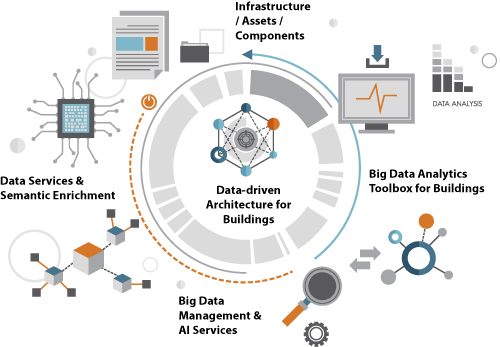
Challenges in Optimizing Green Energy Systems
Complexity of Renewable Energy Sources
One of the major challenges in optimizing green energy systems is the complexity of renewable energy sources. Unlike traditional energy sources, such as fossil fuels, renewable energy sources like solar and wind power are highly variable and dependent on weather conditions. This variability makes it difficult to predict and manage the generation and supply of renewable energy efficiently. Big data can play a crucial role in understanding and optimizing the complex factors involved in renewable energy generation.
Intermittency of Renewable Energy Supply
Another challenge in optimizing green energy systems is the intermittency of renewable energy supply. Unlike fossil fuel power plants that can generate a constant supply of electricity, renewable energy sources are dependent on external factors such as sunlight and wind. As a result, there can be significant fluctuations in the availability and output of renewable energy. Big data can help in effectively managing and integrating renewable energy sources to ensure a consistent and reliable supply.
Need for Efficient Energy Management
Efficient energy management is crucial for optimizing green energy systems. With the increasing adoption of renewable energy sources, there is a need for advanced energy management systems that can effectively balance supply and demand. Big data analytics can provide valuable insights into energy consumption patterns, allowing for better management and allocation of energy resources. By leveraging the power of big data, energy systems can be optimized to maximize efficiency and minimize waste.
Limited Forecasting Capabilities
Accurate forecasting is essential for optimizing green energy systems. However, traditional forecasting methods often fall short when it comes to renewable energy. Due to the unpredictability of variables like weather conditions and energy demand, it can be challenging to accurately predict renewable energy generation and consumption. Big data analytics can help improve forecasting capabilities by analyzing vast amounts of data and identifying patterns and trends. This can lead to more accurate predictions and better planning for the integration of renewable energy sources.
Introduction to Big Data
Definition and Concept
Big data refers to large, complex sets of data that cannot be easily managed, processed, or analyzed using traditional data processing tools. It encompasses both structured and unstructured data from various sources, including sensors, social media, and online platforms. The concept of big data revolves around the idea of extracting valuable insights and knowledge from these massive datasets to inform decision-making and drive innovation.
Scope and Applications in Various Industries
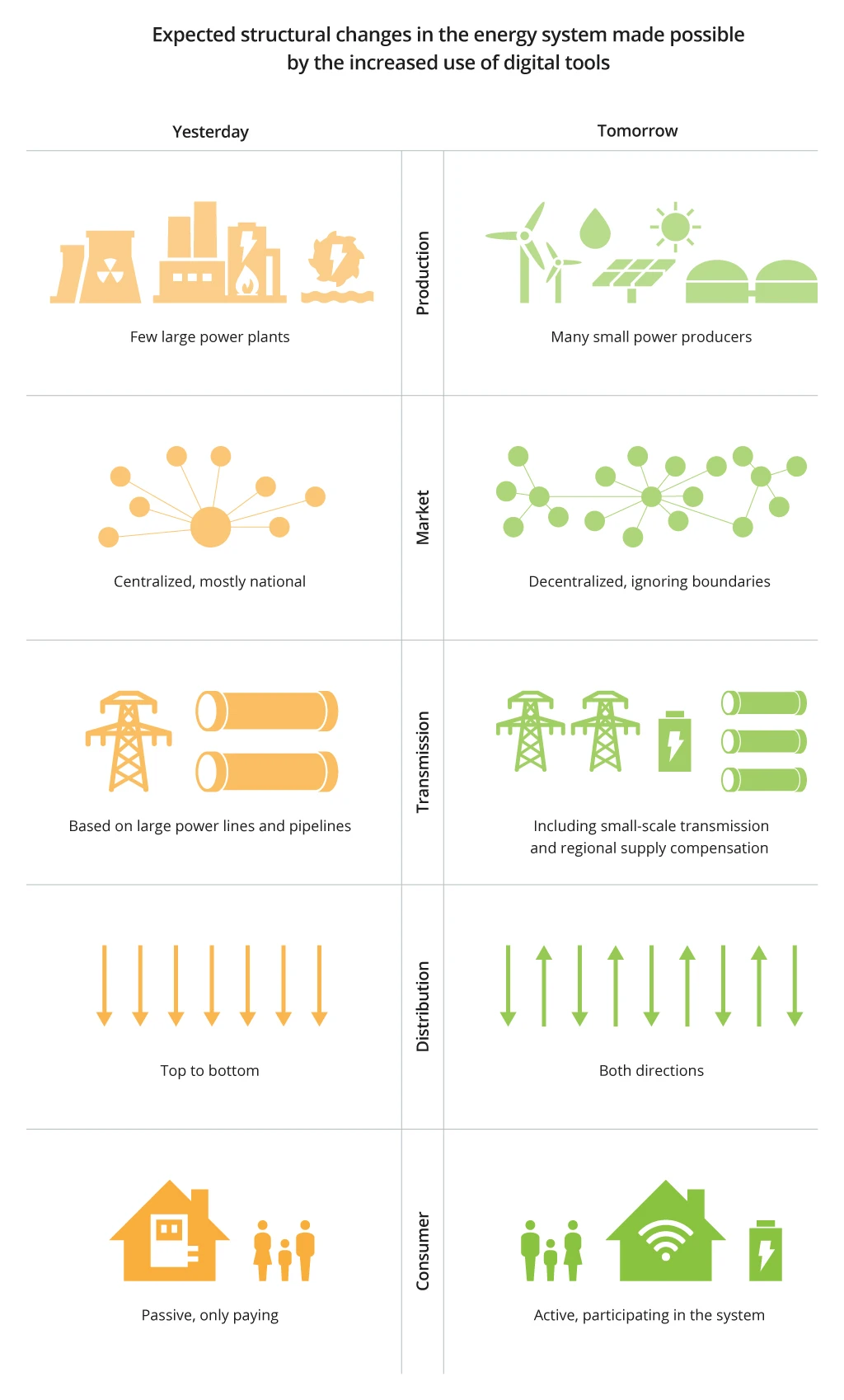
The use of big data has transformed a wide range of industries, including healthcare, finance, retail, and transportation. In the context of green energy systems, big data has immense potential to optimize renewable energy generation, distribution, and consumption. By collecting and analyzing data from diverse sources, energy operators and policymakers can make informed decisions, improve operational efficiency, and reduce environmental impact.
Application of Big Data in Green Energy Systems
Data Collection and Analysis
A fundamental aspect of leveraging big data in green energy systems is the collection and analysis of relevant data. This includes data from renewable energy sources, weather conditions, energy consumption patterns, and grid performance. Sensors, smart meters, and other monitoring devices play a crucial role in collecting real-time data that can be used for analysis. The analysis of this data can uncover valuable insights into energy generation and consumption, enabling more effective decision-making.
Renewable Energy Resource Assessment
Big data analytics can assist in the assessment and optimization of renewable energy resources. By analyzing historical weather patterns, solar radiation data, and wind speed measurements, energy operators can identify the most suitable locations for renewable energy installations. This helps in maximizing the efficiency and output of renewable energy systems. Moreover, big data can also enable real-time monitoring and predictive maintenance, ensuring the optimal performance of renewable energy infrastructure.
Demand-Side Management
One of the key applications of big data in green energy systems is demand-side management. By analyzing data on energy consumption patterns, customer behavior, and market trends, energy operators can develop strategies for more efficient utilization of energy resources. This includes incentivizing customers to shift their energy usage to off-peak hours, implementing dynamic pricing mechanisms, and encouraging the adoption of energy-efficient technologies. Big data enables the optimization of demand-side management strategies, leading to reduced energy waste and cost savings.
Integration of Renewable Energy Sources
Integrating renewable energy sources into existing energy grids is a complex task. Big data plays a crucial role in this process by monitoring and controlling the flow of energy between various sources and consumers. By analyzing real-time data on energy supply, demand, and grid performance, big data analytics can optimize the integration of renewable energy sources. This enables a seamless transition towards a greener and more sustainable energy system.
Benefits of Using Big Data in Green Energy Systems
Improved Energy Production and Efficiency
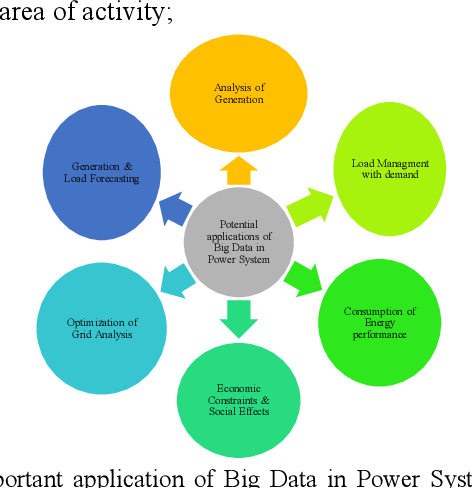
One of the significant benefits of using big data in green energy systems is improved energy production and efficiency. By analyzing vast amounts of data, energy operators can identify opportunities for optimizing energy generation and reducing wastage. For example, by analyzing historical weather data and energy consumption patterns, renewable energy generation can be aligned with peak demand periods, ensuring maximum efficiency and utilization of resources.
Enhanced Forecasting and Planning
Accurate forecasting is crucial for the successful integration of renewable energy sources. Big data analytics can significantly enhance forecasting capabilities by analyzing historical data, weather patterns, and energy consumption trends. This allows energy operators to make more accurate predictions about renewable energy generation and demand, leading to effective planning and allocation of resources.
Real-Time Monitoring and Control
Big data analytics enables real-time monitoring and control of green energy systems. By collecting and analyzing data from various sensors and monitoring devices, energy operators can gain insights into the performance and efficiency of renewable energy installations. Real-time monitoring allows for proactive maintenance and optimization, minimizing downtime and maximizing the output of renewable energy sources.
Optimized Demand Response
Demand response refers to the ability to adjust energy consumption in response to changes in energy supply and pricing. Big data analytics can enable optimized demand response by analyzing real-time data on energy supply, grid performance, and customer behavior. This allows energy operators to incentivize customers to shift their energy usage during periods of high renewable energy generation, reducing the reliance on non-renewable energy sources and improving overall system efficiency.
Challenges in Implementing Big Data in Green Energy Systems
Data Privacy and Security Concerns
One of the main challenges in implementing big data in green energy systems is ensuring data privacy and security. As the volume and variety of data collected from various sources increase, there is a need to safeguard sensitive and personal information. Energy operators and policymakers must develop robust data protection measures to address privacy concerns and protect against potential cybersecurity threats.
Lack of Standardized Data Formats
Another challenge is the lack of standardized data formats in the energy sector. Different devices and systems may generate data in different formats, making it difficult to combine and analyze data effectively. To fully leverage the potential of big data in green energy systems, there is a need for industry-wide standards and protocols that facilitate seamless data integration and interoperability.
Cost of Data Infrastructure and Analytics Tools
Implementing big data analytics requires significant investments in data infrastructure and analytics tools. This includes the deployment of sensors, smart meters, and data storage systems, as well as the development of analytics platforms and algorithms. The high cost of these infrastructure and tools can be a barrier to the adoption of big data analytics, especially for smaller energy operators and organizations.
Integration of Legacy Systems
Integrating big data analytics into existing legacy systems can be a complex process. Many energy operators rely on outdated and siloed systems that may not be compatible with modern data analytics platforms. The integration of legacy systems with big data analytics requires careful planning, data migration, and system upgrades. It is essential to overcome these technical challenges to fully realize the benefits of big data in green energy systems.
Case Studies and Success Stories
Smart Grid Implementation in California
In California, the implementation of a smart grid powered by big data analytics has resulted in significant improvements in energy efficiency and reliability. By using advanced sensors and real-time data analytics, the smart grid can monitor energy consumption patterns, adjust supply in response to demand, and detect and prevent power outages. This has led to reduced energy waste, improved grid stability, and enhanced customer satisfaction.
Solar Energy Optimization in Germany
Germany, a leader in renewable energy adoption, has leveraged big data analytics to optimize solar energy generation. By using historical weather data, solar radiation levels, and real-time performance data from solar installations, energy operators can predict and optimize solar energy output. This helps in maximizing energy production and reducing reliance on non-renewable energy sources.
Wind Farm Management in Denmark
Denmark, known for its extensive wind farm installations, has successfully implemented big data analytics to manage and optimize wind energy generation. By collecting and analyzing data on wind speed, turbine performance, and grid stability, energy operators can accurately predict wind energy output and ensure reliable supply. Furthermore, real-time monitoring enables proactive maintenance and early detection of potential issues, ensuring optimal performance of wind farms.

Future Prospects and Trends
Advancements in Data Analytics and Machine Learning
Advancements in data analytics and machine learning are expected to significantly impact the optimization of green energy systems. The ability to process and analyze vast amounts of data in real-time can lead to more accurate predictions, better decision-making, and improved efficiency. As technology continues to evolve, energy operators can leverage advanced analytics algorithms and techniques to further optimize renewable energy generation, distribution, and consumption.
Emergence of IoT and Smart Devices
The emergence of the Internet of Things (IoT) and smart devices presents new opportunities for optimizing green energy systems. IoT-enabled devices, such as smart meters and sensors, can collect real-time data on energy consumption, grid performance, and environmental conditions. This data can be leveraged to improve energy management, optimize renewable energy generation, and enhance overall system efficiency.
Collaboration Between Energy and Technology Sectors
Collaboration between the energy and technology sectors is crucial for the successful implementation of big data in green energy systems. Energy operators, technology companies, and research institutions need to work together to develop innovative solutions and share best practices. By combining domain expertise with technological advancements, the potential for optimizing green energy systems can be realized more effectively.
Policy and Regulatory Support for Big Data in Green Energy
Policy and regulatory support are essential for promoting the adoption and implementation of big data analytics in green energy systems. Governments and regulatory bodies can provide incentives and create a supportive environment for energy operators to invest in data infrastructure and analytics tools. Clear guidelines and standards can also help address privacy and security concerns while facilitating the exchange and integration of energy data.
Conclusion
The role of big data in optimizing green energy systems cannot be overstated. The complexity and intermittency of renewable energy sources, as well as the need for efficient energy management, highlight the importance of leveraging big data analytics in the green energy sector. By collecting, analyzing, and applying insights from vast amounts of data, energy operators and policymakers can make informed decisions, improve energy production and efficiency, and transition towards a more sustainable and greener future. Continued research and innovation in the field of big data analytics will be essential to overcome the challenges and unlock the transformative potential of data-driven decision-making in green energy systems.
