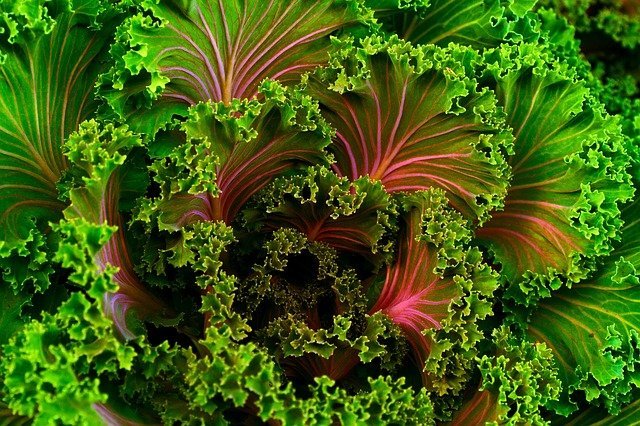
Whether they’ve read about them in articles or seen them on grocery store shelves, most people are somewhat familiar with organic products. It’s easy to tell which items are certified organic by the USDA. You’ll find that they’re usually packaged differently than their counterparts and the price is much higher. Keep reading to learn how you can grow organic produce from the comfort of your own home.
Allow your children to actively participate in planting your organic garden. A garden can be a great learning experience for your children, and it gives you a chance to bond while producing healthy food.
It is important to keep the temperature set between 65 and 75 degrees, if you wish to raise plants in the home. They need this type of warm temperature in order to grow. If you wish to keep your house cooler than that, you may want to use a heat lamp just for the plants.
To be most efficient in your gardening, always keep your tools close at hand. You can wear an apron or pants that have a lot of pockets, or use a big bucket or can. Have gloves, shears, a trowel and anything else you need handy for quick use.
The space you leave in between your plants is an important measurement when it comes to gardening. People often underestimate how much space plants will need when once they’re grown. Proper spacing is important not just to accommodate the plants’ sizes but also for air circulation. If necessary, use a ruler to measure the distance between each plant.
Regular maintenance prevents your gardening tasks from becoming overwhelming and unappealing. Even doing just a few small things each day can keep chores from piling up and eventually becoming unmanageable. This will save you a lot of time in the long run. Even if you’re just taking the dog for a walk, bend down and pick a few weeds.
Green Plant Material
Use equal parts dried and green plant material for your own compost. Green plant material comprises leaves, weeds, spent flowers, grass clippings, and fruit and vegetable waste. The leaves you rake in the fall, straw, sawdust and the like are dry material. Do not include charcoal, ashes, meat, carnivorous animal manure or diseased plants.
Growing your garden at home might not be the most convenient thing for you, but you will save a lot of money and always have the confidence that what you’re eating and feeding your family is as fresh and as healthy as possible. Use the tips you’ve learned here and get started on your garden today.